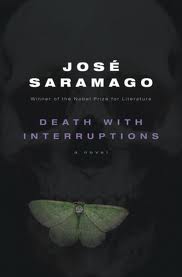
 As a reviewer, there are two things you’ll want to know about me before bothering to read further. I only like literary fiction, and I only like literary fiction that’s a bit “difficult,” in one way or another, style or theme, preferably both.
A good theme for me might include controversial social issues, human paradoxes, ethical puzzles– problems to which there are no easy solutions. The concerns of unmarried 32-year-old woman and the plight of a middle-aged man whose affair is petering out are not real “problems,” in my view, nor is the temporary loss of faith in God or humanity. Continue reading →
 Aimee Bender’s stories are the contemporary descendants of those of the Brothers Grimm, with their surrealism laid on top of human desire and need. In both her previous collection, The Girl in the Flammable Skirt, and this newest one, Willful Creatures (Doubleday, 224 pages), her fiction adopts the tone of fairytales through the straightforward storytelling of the bizarre. Instead of a sausage growing on the end of a nose, Bender gives us potato children and a captive miniature man. Instead of a wicked stepmother, she conjures a collective group of predatory teenage girls. The “willful creatures” of the
  In the opening pages of Kirstin Allio’s debut novel,
 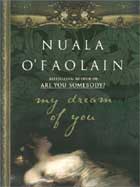 Nuala O’Faolain’s My Dream of You (Penguin, 464 pages) is a coming-of-middle-age tale about Irish women across decades looking for “something to love.” While the novel is overtly about passion, it also explores the meaning of coming home and leaving it, of familial ties, of friendship, and, most poignantly, of growing older. Fiftyish Kathleen de Burca finds herself bereft and alone when her best friend Jimmy dies, and she begins to question the choices she has made. A persistent memory of a former lover and his “gift” to her of court documents prompt her to quit her job as a travel writer and to research the scandalous affair between a
 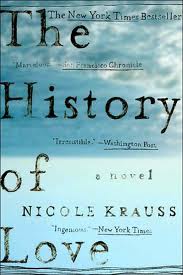 Nicole Krauss’s astonishing novel
 This is probably the hardest review I have had to do yet. Prior to The Thin Wall (Twisted Knickers, 124 pages), I had read two previous books by Cheryl Anne Gardner, The Splendor of Antiquity, and Logos, and The Thin Wall is a radical departure from Gardner’s romantic roots into the realms of darker, subconscious psychology and individual philosophies she masterfully delves into in this work.

 Dactyl Review