For the past couple of years I’ve been reading lots of short story collections by living American writers, looking for something that sparks with creativity, not often finding much. Lauren Groff is generally accepted as one of the prime divas of the MFA world of writing. The stories in this new collection, “Florida” (Riverhead Books, 2018), have been previously published in some of the premier venues in the U.S.: The New Yorker, American Short Fiction, Granta, Tin House, among others. They have been featured as well in three different anthologies of Best American Short Stories. Does that mean they are good? Alas, owing to the stranglehold that the standard MFA racket in fiction holds on these once-august publications, I’ve learned not to get my expectations up too high. Continue reading →


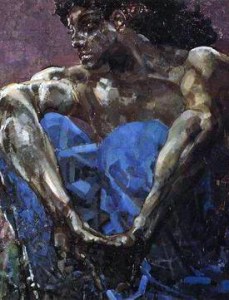 “Only part of us is sane: only part of us loves pleasure and the longer day of happiness, wants to live to our nineties [she did] and die in peace, in a house that we built, that shall shelter those who come after us. The other half of us is nearly mad. It prefers the disagreeable to the agreeable, loves pain and its darker night despair, and wants to die in a catastrophe that will set back life to its beginnings and leave nothing of our house save its blackened foundations. Our bright natures fight in us with this yeasty darkness, and neither part is commonly quite victorious, for we are divided against ourselves.”