Announcement: New book from one of our reviewers
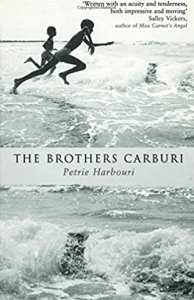
The boy’s name is Tesfahun. Nestled in the vastness of Ethiopia, he lives among an ancient tribe untouched by modern civilization. His people live an isolated life where revenge killings are required and ruled by superstitions where mingi or cursed babies are thrown into the river for the sake of the tribe.
As friends are forced to avenge the tribe and children disappear in the night, Tesfahun begins to question his people and his beliefs, growing further from his grief stricken mother and hardened father. After his initiation into manhood, Tesfahun discovers a terrible secret about his family and himself. Continue reading →

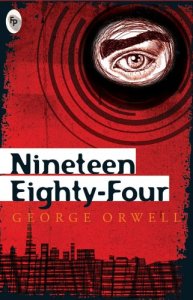 What made Orwell’s 1984 a classic? The language of this high-school required reading isn’t particularly memorable, with the obvious exception of phrases like, “war is peace,” and “ignorance is strength.” The plot swings rustily on an ill-fated romance in the first part. The lovers, Winston and Julia, are unlikable, one-dimensional, selfish anybodies. In the second part, Winston’s torturer O’Brien, like Milton’s Satan, steals the literary stage for a bit, but, even so, his evil nature lacks style, compared to, say, Medea or the Judge. Remarkably, however, I will say, that, as tragedies go, 1984 pulls its hero down lower than any Greek drama or Cormac McCarthy novel that I can think of. Winston Smith ends in total dehumanization when he accepts Big Brother into his heart as his savior.