 Flash fiction has enjoyed a boom in recent years but sometimes overlooked are shorter prose forms which don’t respect the conventions of flash—e.g., at least an implied plot or hint of closure—in order seek out other literary effects. Thomas Walton’s All the Useless Things Are Mine: A Book of Seventeens (Sagging Meniscus, 138 pages) is an intriguing entry into this field. It is both experimental, in the sense that there isn’t really a label for the genre, and traditional, for it deploys aphorism and image in a manner which is readily accessible, despite its peculiarity.
The author calls the pieces in this collection “seventeens” because each freestanding entry is composed of exactly seventeen words. A few pieces are titled, but most are not, and the book is arranged in 26 chapters with titles like “Animal Sketches,” “Art Criticism” and “Birdsong.” The fixation on seventeen words recalls the haiku form, which in its English rendering is typically composed of seventeen syllables in three lines. Here, though, instead of relying on poetry techniques like line breaks or rhythm assisted by white space on the page, Walton opts for a “prosier” approach, working with short, punchy sentences. Continue reading →
 “The Grim Reaper visits Florida wearing a silly tie. One man’s life is done…or is it? What happens if you subvert the cosmic order?”


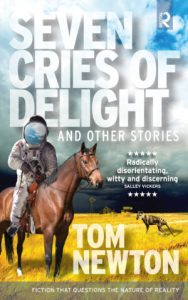 Newton’s collection of surreal stories, Seven Cries of Delight (Recital Publishing, 170 pages) was nominated by Brent Robison who, in his


 THE BRAVURA BEGINNING
 Happy New Year to all our friends. Looking back on 2019, I optimistically note that participation at Dactyl Review has increased since 2018, with many good contributions: reviews, new book announcements, and editorials. We have nine new nominations for the Dactyl Literary Award this year, and these will be in the running for the 2019 award, together with nominations from previous years when no prize was awarded.


