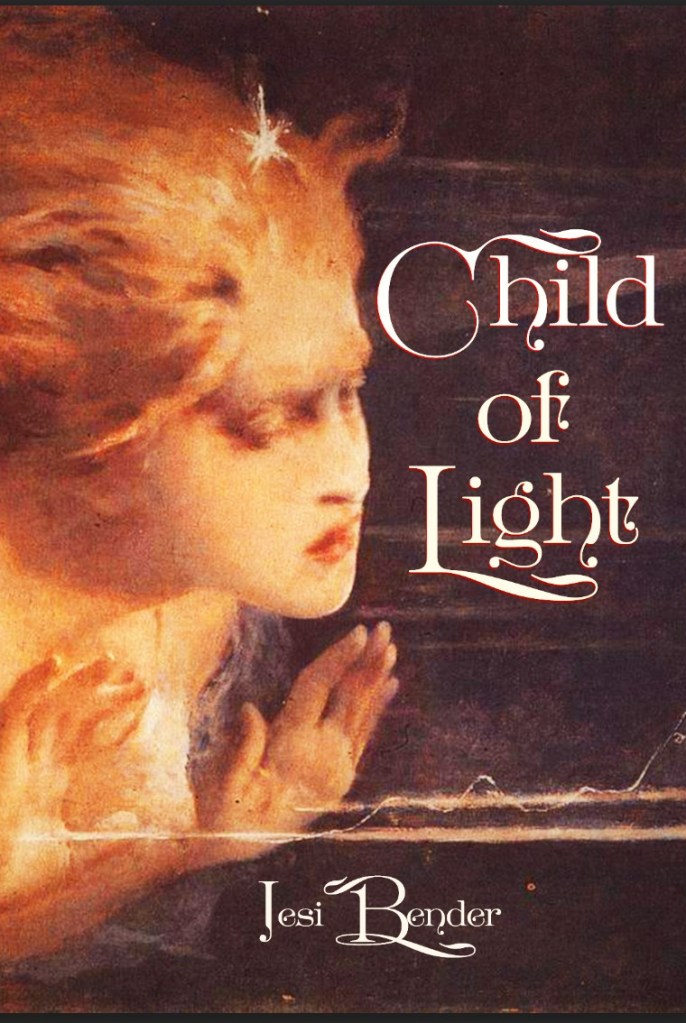
Child of Light by Jesi Bender

What do we really know when epistemic parameters are fluid? This question is central to Jesi Bender’s historical novel, Child of Light (Whisky Tit, 318 pages), set in upstate New York at the end of the 19th century. It centers on Ambrétte Memenon, a clever and dutiful young woman whose father is a French scientist immersed in his studies of electricity, and whose mother is a Québécoise enthusiast of Spiritualism.  Papa seeks to illuminate cities at night, Maman to communicate with the dead.

These are rather different agendas, to put it mildly, but the story dramatizes how, within the context of the period, both pursuits are cutting edge. And Ambrétte, in an attempt to mend her broken family, tries to reconcile the two.

Continue reading
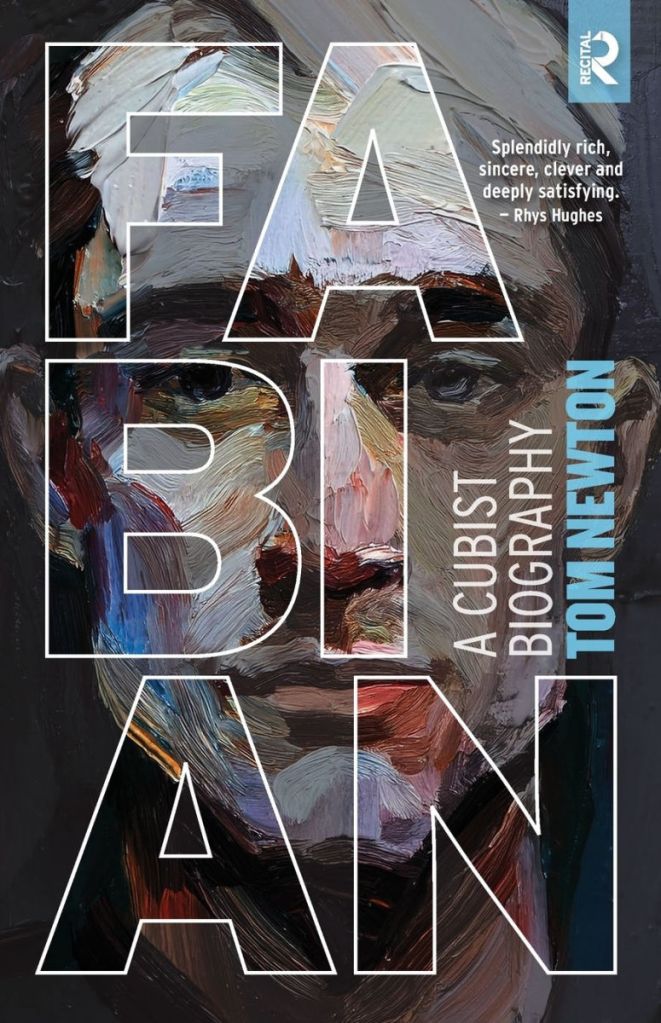
Fabian: A Cubist Biography, by Tom Newton

Tom Newton’s latest novel, Fabian: A Cubist Biography (264 pages Recital Publishing), presents itself as a biography of Fabian, a “disillusioned, would-be filmmaker.” Fabian, a civil servant in the British Ministry of Information during WWII, longs to make a groundbreaking film, but never quite does it. He creates a treatment. He thinks through his artistic desire. Leaving off a Godot-like deferral of Fabian’s planned film, the novel careens fantastically through epochs and ideas. We encounter Spanish conquistadors and Aztec priests, Dr. French (a time-traveling psychoanalyst), Junita (another enigmatic time-traveler) and more. Everyone has a backstory and place in intertwined narratives, arriving at a resolution that challenges the notion that a good book should tuck every loose end in place. 

Continue reading

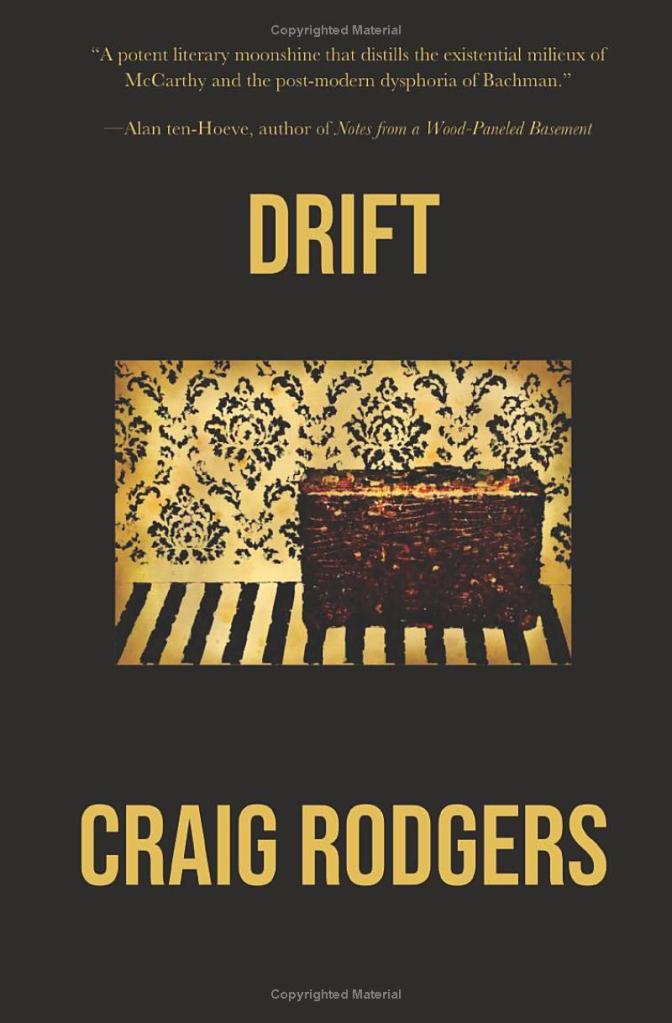
Drift by Craig Rodgers

Sometimes a novel’s originality is less a matter of affirmation than an act of refusal. Refusal to go along with received ideas of how to tell a story or create verisimilitude or even how words signify. Saying no opens up new space, or at least points towards what has been neglected by complacence.

Craig Rodgers’ Drift (Death of Print, 156 pages) is such a novel. A dystopian tale of a bible salesman named Charlie, it will defy the ingrained expectations of many readers. Plotwise, Charlie has no trouble making a sale: everyone seems to want his product. He has no idea why. Women like Charlie—no struggles there, either. Other characters include a clown on a rampage and a mysterious goon in a dented bowler hat who seems to be following Charlie. There’s a bearded lady, with whom Charlie has sex, and a young boy afflicted by plague who becomes his travel companion. Then the boy steals Charlie’s car. Continue reading

The Berserkers by Vic Peterson

Prominent on the lists of popular commercial fiction and television today is a category called “Scandi-Noir” or “Nordic Noir,” characterized by a police point of view, plain language, bleak landscapes, a dark and morally complex mood, and murder, of course. As I began Vic Peterson’s novel The Berserkers (Hawkwood Books, 240 pages), I was anticipating exactly that sort of genre experience. The first chapter, depicting a crime scene investigation on a frozen lake, did not begin to alter my expectations until its final two paragraphs:

“A pale tangle lay beside the hole the girl had been sunk in. It then dawned on me that the pale tangle was the girl. Her body lay sprawled on top of the ice, displaced by the minor tsunami of the sinking car, and ejected from the ice like the cork from a champagne bottle. Her clothes spread about her in wet snarls lurid under the dim sun, a cape and corset and stockings.

The girl’s pallor was blue and ruinous. My jaw slackened. I tried to utter some words, any words, whether of shock, wisdom, or warning. No sound emanated from my lips. For a pair of large wings had begun unfolding around the corpse, beautiful, wispy, shivering with each gust like the pinfeathers of a hatchling drying in the dying light.”

Continue reading