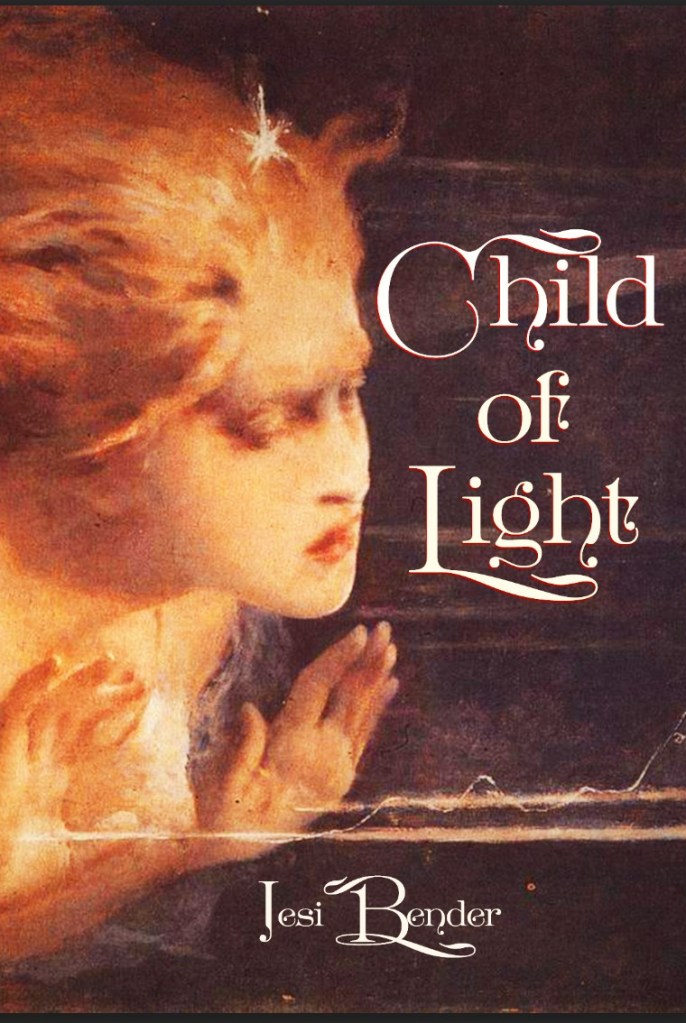
What do we really know when epistemic parameters are fluid? This question is central to Jesi Bender’s historical novel, Child of Light (Whisky Tit, 318 pages), set in upstate New York at the end of the 19th century. It centers on Ambrétte Memenon, a clever and dutiful young woman whose father is a French scientist immersed in his studies of electricity, and whose mother is a Québécoise enthusiast of Spiritualism. Papa seeks to illuminate cities at night, Maman to communicate with the dead.
These are rather different agendas, to put it mildly, but the story dramatizes how, within the context of the period, both pursuits are cutting edge. And Ambrétte, in an attempt to mend her broken family, tries to reconcile the two.
Continue reading
 Dactyl Review