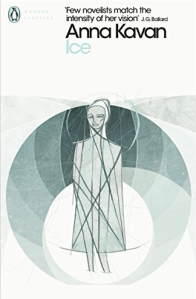
 Published in 1967, Ice (Peter Owen, 158 pages) is a harrowing, oblique, beautiful novel increasingly viewed as a modern classic on par with1984 and Brave New World. Kavan creates a world overrun by vast ice sheets caused by nuclear winter. The anti-hero narrator, a man obsessed with a frail, stunning young woman, chronicles the doom he foresees for his world and the girl who is the object of his fascination. Kavan’s prose swerves breathtakingly from the delicate and the brutal.
Ice shifts between bleak realism and a haunted panorama of psychological terrors. The plot is episodic, evading conventional patterns. None of the characters has a name or is “likable” or “relatable,” as the current jargon has it; but do not read Kavan for those ends. Lyric mastery and a tone of brooding psychic disturbance are the bedrock of the novel, a startling penetration of beauty couched within doom. Continue reading →
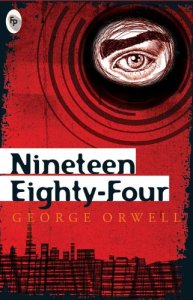 What made Orwell’s 1984 a classic? The language of this high-school required reading isn’t particularly memorable, with the obvious exception of phrases like, “war is peace,” and “ignorance is strength.” The plot swings rustily on an ill-fated romance in the first part. The lovers, Winston and Julia, are unlikable, one-dimensional, selfish anybodies. In the second part, Winston’s torturer O’Brien, like Milton’s Satan, steals the literary stage for a bit, but, even so, his evil nature lacks style, compared to, say, Medea or the Judge. Remarkably, however, I will say, that, as tragedies go, 1984 pulls its hero down lower than any Greek drama or Cormac McCarthy novel that I can think of. Winston Smith ends in total dehumanization when he accepts Big Brother into his heart as his savior.